HUB 05
Video Doorbells
A doorbell is a camera with a wiring problem. We lead with the transformer voltage, the chime kit, and where the recording goes - the three things that decide whether yours works.
We earn a commission if you buy through our links. It does not change the price you pay, and it does not decide our picks — our selection criteria are published in full. How this works.

Start here
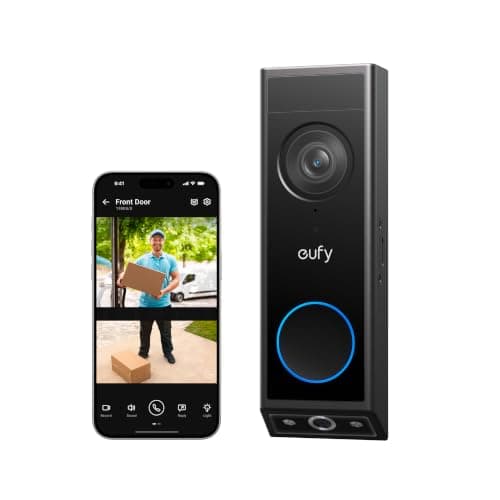
The Best Video Doorbells
Our top pick: eufy Video Doorbell E340 (dual camera) — Two cameras — one on the visitor, one pointed down at the doorstep — so you see the parcel as well as the person. Records locally, wired or battery, no plan.
A video doorbell is a camera with a wiring problem. The image quality conversation is largely settled across the category; what separates a doorbell that works from one that boot-loops, chimes twice or shows you a courier's chest instead of the package is transformer voltage, the chime module, the mounting angle and the shape of the sensor. None of those appear in the headline specs.
Start at the transformer, not the doorbell
A wired doorbell draws power continuously, which is a different job from the momentary current an old mechanical chime needed. Video doorbells publish a required range - typically expressed as a voltage window in AC volts and a minimum VA rating - and an older transformer sized for a simple bell can sit below it. The symptom is not a clean failure; it is a doorbell that reboots, charges slowly, drops offline in cold weather or works until it tries to stream.
The transformer is usually near the chime box, the electrical panel, the furnace or in the attic, and its output is printed on the case. Read it before ordering. If it is below the doorbell's published requirement, the fix is a transformer swap - inexpensive parts, low-voltage work, but mains work at the supply side, so it is a reasonable place to call an electrician.
The chime kit is not an accessory
Because the doorbell now draws current constantly, a mechanical chime connected directly can hum, buzz or repeat. The small module in the box - variously called a chime kit, power kit or diode - is what conditions that circuit, and it usually installs inside the chime housing. Digital chimes almost always require it. If you would rather not open the chime at all, several brands sell a plug-in chime instead, which sidesteps the entire question.
The honest fork in this category: do you have working doorbell wiring, fed by a transformer inside the published voltage range? Yes, and a wired doorbell gives you continuous power, no recharging and 24/7 recording on the models that support it. No, and a battery doorbell with a plug-in chime is a twenty-minute install with no electrical work at all.
Battery versus wired
Battery doorbells are genuinely easy: a bracket, a level, two screws. They are also asleep most of the time, so the passive infrared sensor has to wake the camera before it starts recording, and the first moment of the clip is often missing. Recharge intervals depend entirely on traffic - a quiet cul-de-sac and a busy sidewalk produce completely different results from identical hardware. Removable battery packs are worth looking for, since they let you swap a charged pack in rather than take the doorbell down for hours.
Wired doorbells stay awake, which shortens the gap before recording begins, and the models that support continuous recording can only do it on wired power. They are also the ones with the transformer requirement, so the install is a longer conversation. The full split, with the wiring requirement listed per model, is in the video doorbell rankings.
The doorstep view
If packages are why you are buying, vertical field of view is the spec that matters and it is buried. A conventional 16:9 sensor mounted at standard height shows a torso and a slice of the street; a 1:1 or 3:4 “head to toe” sensor shows the visitor and the doorstep in one frame. Mounting height and angle do the rest: doorbells mounted level with the striker plate look at chests, and a wedge or corner kit is often the cheapest fix available. If the door sits at an angle to the walkway, assume you will need one.
There are two ways to buy that frame. Some makers add a second, downward-facing lens and charge for it; others get the same result from the aspect ratio of a single tall sensor, which is cheaper and, for this job, usually enough. The clearest example of the second approach in our coverage is reviewed in full in the Reolink Video Doorbell review, which also walks through the wiring check that model demands. Which design is worth paying for, and which brands charge a subscription for the package alert rather than building it into the hardware, is ranked in the best video doorbells for packages.
Notification fatigue is the real failure mode
This is the thing nobody prints on the box. Install a doorbell facing a street with the default sensitivity, and it will generate dozens of motion alerts a day. Within a week somebody in the household mutes the app, and from then on the one notification that mattered arrives silently. The doorbell still works perfectly; the system around it has failed.
Three settings fix it, and it is worth confirming a model has all three before buying. Tight activity zones drawn around the walkway and the doorstep rather than the road. Person or package filtering, with the important caveat that you should check whether that detection runs on the device or in the vendor's cloud, because cloud detection stops when a plan does - the distinction is unpacked in doorbells that stay useful with no plan. And separate alert channels, so a doorbell press can stay loud while motion alerts go quiet.
What most buyers get wrong
Assuming a doorbell replaces a camera. It watches one narrow approach, at one fixed angle, at head height. It is a good first device and a poor only device - the reasoning is in is a video doorbell worth it, and the wider coverage question belongs to the camera hub.
Ignoring where the recording goes. Some doorbells store clips on a card in the unit or on a base station indoors; others hold nothing at all without a plan. On a device mounted at hand height beside the front door, having the only copy of the footage inside the device is worth thinking about.
Buying for the chime rather than the camera. Existing chimes are cheap to work around. Transformers, sensor shape and mounting angle are not.
Everything in this hub
All of Doorbells
Roundup
The Best Video Doorbells
Seven video doorbells ranked on the wiring you have rather than the specification you want. The eufy Video Doorbell E340 wins on a second downward camera and local recording with no plan.
Top pick: eufy Video Doorbell E340 (dual camera) · 7 ranked, 7 with live prices
$149.99on Amazon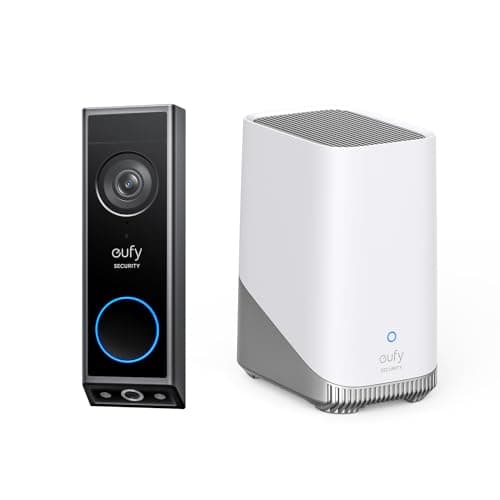
Roundup
The Best Battery Video Doorbells
Five battery video doorbells for houses with no transformer and for renters. The eufy Video Doorbell E340 with HomeBase 3 wins on an included base station, local storage and a second camera aimed at the step.
Top pick: eufy Video Doorbell E340 with HomeBase 3 · 5 ranked, 5 with live prices
$262.48on AmazonRoundup
The Best Wired Video Doorbells
Four wired video doorbells for houses with an existing doorbell transformer. The eufy Video Doorbell E340 wins on a second camera aimed at the step, local storage and no plan, and it runs wired or on battery.
Top pick: eufy Video Doorbell E340 (dual camera) · 4 ranked, 4 with live prices
$149.99on Amazon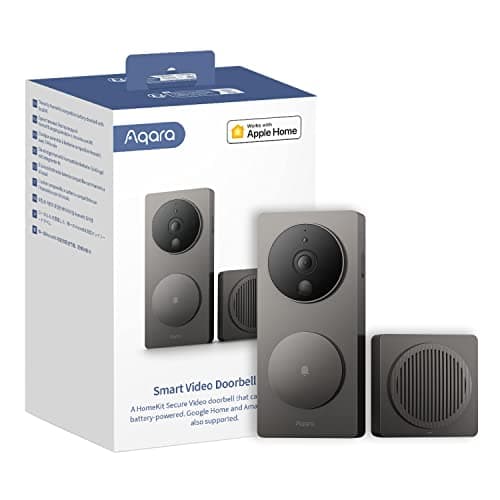
Review
Aqara Video Doorbell G4 Review
The Aqara Video Doorbell G4 is the doorbell to buy if your house runs on Apple Home: HomeKit Secure Video, on-device face recognition, wired or on AA cells, chime included. Reviewed from the published documentation.
Top pick: Aqara Video Doorbell G4 (with chime)
$74.99on Amazon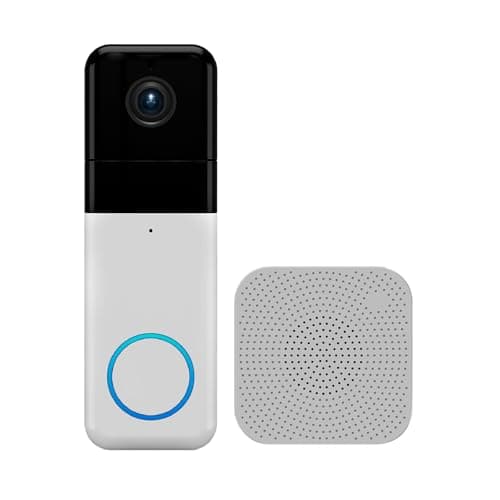
Roundup
The Best Video Doorbells for Apartments
Four video doorbells for apartments and condos, ranked on mounting, the included chime and the shape of the view. The Wyze Wireless Video Doorbell Pro wins on its 1:1 field of view, which fits a narrow corridor where a wide lens sees mostly wall.
Top pick: Wyze Wireless Video Doorbell Pro (with chime) · 4 ranked, 4 with live prices
$105.98on Amazon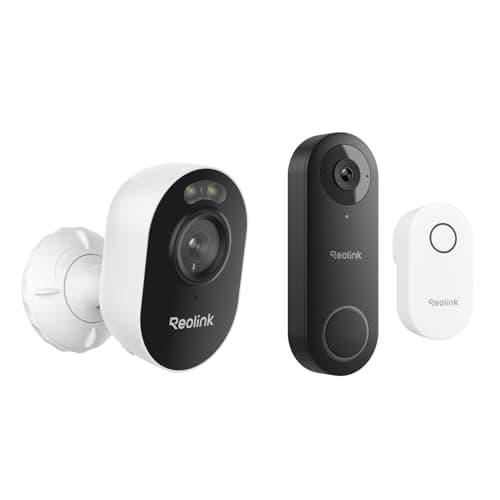
Review
Reolink Video Doorbell Review
The Reolink Video Doorbell WiFi records locally, includes an indoor chime and charges nothing for any core function. Reviewed from the published documentation, including the wiring requirement that disqualifies it for a lot of houses.
Top pick: Reolink Video Doorbell WiFi (with chime)
$211.18on AmazonRoundup
The Best Video Doorbells for Packages
Five doorbells ranked on whether they can see the doorstep and whether the package alert belongs to the hardware or to a subscription. The eufy E340 wins because it solves the geometry with a second lens pointed down.
Top pick: eufy Video Doorbell E340 (dual camera) · 5 ranked, 5 with live prices
$149.99on Amazon
Filed elsewhere, written for you
Also worth reading
These live under a different section of the site but answer the same question a doorbells buyer is actually asking.
Comparisons
Ring vs eufy: the storage model decides it
Ring has the better app and the better ecosystem; eufy records to hardware you own and never bills you. The head-to-head table, the Ring Alarm exception almost nobody states, and a decision rule instead of a winner.
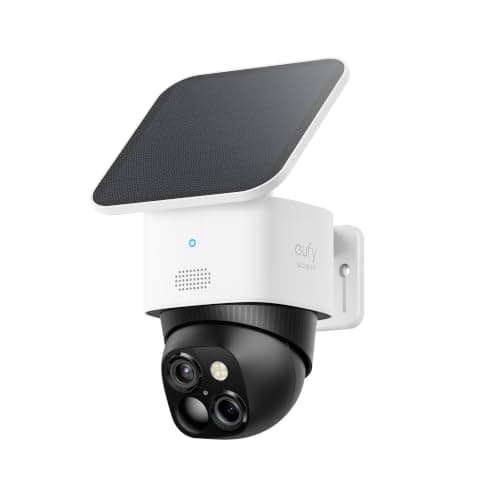
Top pick: eufy SoloCam S340 (solar, dual camera)
$199.99on Amazon
Guides
Is a Video Doorbell Worth It?
The case for and the case against, including the households that should not buy one, and what wiring, chimes and notification fatigue actually cost you.
Covered here: eufy Video Doorbell E340 (dual camera)
$149.99on AmazonGifts & Deals
Best Smart Home Security Gifts Under $150
Seven picks under $150, led by the eufy E340 doorbell because it works wired or on battery - the one doorbell you can give without knowing the wiring. A solar camera, two fingerprint locks and the hub that makes Thread sensors work fill out the tier.
Top pick: eufy Video Doorbell E340 (dual camera)
$149.99on Amazon