HUB 06 · Guides
How to Secure Your Front Door
Almost every front door that gets forced fails in the same place, and it is not the lock. It is three short screws holding a strike plate into soft pine - which is a $4 problem and ten minutes of work.
We earn a commission if you buy through our links. It does not change the price you pay, and it does not decide our picks — our selection criteria are published in full. How this works.
Verdict
The bottom line
Start with the strike plate, not the lock. A forced front door almost always fails where the bolt meets the frame: the standard strike is held by two or three short screws into a thin pine jamb, and the jamb splits long before the bolt bends. Fit a reinforced strike plate with 3-inch screws that reach past the jamb into the structural stud behind it, and do the same on the hinge side. That is the highest-value thing you can do to a front door, it costs a few dollars, and it takes ten minutes with a screwdriver. After that, in order: a deadbolt with at least a 1-inch throw, laminate film or a secondary lock if there is glass within arm's reach of the thumbturn, and only then the electronics — a lock that tells you it is locked, a sensor that says the door opened, a camera that shows who. Spending on a smart lock while the strike plate is held by three half-inch screws is buying a better padlock for a cardboard box.
This page is deliberately not a fear-framed one. The reason to work on a front door is not that somebody is coming; it is that the standard specification of a US front door assumes a polite world, and bringing it up to a sensible standard is cheap, quick and permanent. Almost none of it is a product you plug in.
Why the frame fails first
Picture what actually happens when a door is kicked. The force goes through the slab, into the bolt, into the strike plate, and then into whatever the strike plate is screwed to. On a typical installation that is a 3/4-inch pine jamb, and the screws are 1/2 to 3/4 inch long, which means they end in the jamb and not in the framing timber behind it. The jamb splits out around the screws. The lock is undamaged; the hole it was sitting in is gone.
That is why lock upgrades disappoint and why the first job is the boring one. A reinforced strike plate spreads the load over a larger area of jamb, and — the part that does the actual work — 3-inch screws pass through the jamb, through the gap behind it, and bite into the structural stud. The same logic applies to the hinges: three screws per leaf, replaced with 3-inch screws, costs nothing and removes the other half of the problem. Do both sides on the same afternoon.
Check your existing screws before you buy anything. Open the door, undo one screw from the strike plate and one from the middle hinge, and measure them. If they are under an inch, you have just found the weakest part of your front door, and the fix is a box of screws. If a previous owner already fitted long screws, skip ahead — the door is better than most.
The deadbolt itself: throw, not brand
With the frame sorted, the bolt matters. The specification that counts is the throw — how far the bolt extends out of the door edge. A long throw crosses more of the gap between door and frame, so a spread frame or a pry bar has further to go before the bolt clears the strike. Short-throw bolts, and latch bolts in a handle set, are not security hardware.
Two things that are not specifications but decide real outcomes. First, use the deadbolt. A surprising share of forced entries are through doors that were on the latch, which is the actual argument for a smart lock: auto-lock means the door is locked whether or not anyone remembered. Second, if the deadbolt only throws when you lift or lean on the door, the strike is misaligned and the bolt is not fully extended even when it feels locked — fix the alignment rather than living with it. Which locks are worth the money is in our deadbolt roundup, and the grading claims printed on the boxes are decoded in our ANSI/BHMA guide.
Glass: the problem nobody wants to hear about
If there is glass in the door, or a sidelight beside it, within arm's reach of the interior thumbturn, then the lock is decorative against anyone willing to break glass. This is the most common unaddressed weakness on an otherwise well-secured door, and there are three honest answers:
- Security film on the glass. A laminate applied to the inside face holds the pane together when it is struck, so the hole does not open up and a hand cannot reach through. It is the least intrusive fix and it is not a replacement for laminated glass.
- A double-cylinder deadbolt. A key on the inside as well as the outside means reaching the thumbturn achieves nothing. Understand the trade-off before fitting one: a key-both-sides lock is a hazard in a fire or any emergency exit, it is restricted or prohibited by code in some jurisdictions, and if you fit one the inside key has to live in a known place within reach of the door every single night. Many households should not make this choice.
- A secondary bolt out of reach. A surface bolt or a chain fitted high or low, away from the glass, gives a second fixing that a hand through a pane cannot operate.
Glass also makes a case for a sensor rather than a lock. A contact sensor on the door tells you it opened regardless of how; a glass-break sensor covers the pane itself, and that field is ranked in our glass break sensor roundup.
The outward-opening door, and other exceptions
A door that opens outward cannot be kicked in, which is good, and its hinges are on the outside, which is not. Fit hinges with non-removable pins or security studs — a stud that engages a hole in the opposite leaf when the door is closed, so the door cannot be lifted off even with the pins out. These are standard parts, not specialist hardware.
Two more worth knowing. A storm door in front of your entry door is not security hardware at all: the slabs are far too thin for a deadbolt, the hardware is a proprietary mortise set, and no mainstream smart lock fits one — the full explanation is in our storm door guide. And a door from the garage into the house is usually your most vulnerable entry and is also code-regulated, which limits what you may legally do to it — that case is covered in our garage entry door roundup.
Where the electronics genuinely help
Not at the point of attack. Everything above is about resisting force; the electronics are about the other two thirds of the problem, which are knowing and deterring. Three things earn their place:
- A lock that tells you its state and locks itself. The real-world failure is an unlocked door, not a defeated one. Auto-lock and a status you can check from bed fix a human problem that no amount of steel does.
- A contact sensor. The cheapest useful device in home security. It tells you the door opened, which is the one fact a camera cannot reliably give you, and it works with no internet.
- A doorbell camera. Most front-door incidents are not forced entries at all; they are parcels, callers and people trying handles. A doorbell covers that, which is why it is the most-used piece of security hardware in most houses — the field is in our doorbell roundup.
What the electronics do not do is respond. Nothing on this page dispatches anybody; you are the monitoring service unless you pay for one, and the honest version of that model is in our self-monitored security guide.
The order to spend in
If the budget is a weekend and a hundred dollars: long screws and a reinforced strike plate, hinge screws, then a contact sensor. If the budget stretches: a proper deadbolt, then security film on any glass within reach of the lock. After that a doorbell camera, then a smart lock, then a camera covering the approach. That order is deliberately the opposite of how most people buy, and it is the order that puts the cheap, permanent, physical fixes before the subscriptions and the batteries.
The ten-minute audit
- Measure a strike plate screw and a hinge screw. Under an inch means your door's weak point is identified. Buy 3-inch screws and a reinforced strike plate.
- Throw the deadbolt with the door open and look at the bolt. Short throw, or a bolt that only extends fully when you lift the door, both need fixing before anything electronic.
- Stand outside and reach. Could someone break a pane and touch the thumbturn? If yes, that is the next job, and film is the low-risk answer.
- Look at the hinges. Outside the door? Security studs or non-removable pins.
- Check the other doors. A hardened front door next to an unlocked patio slider has achieved nothing — the slider is usually the easier target, and our sliding door guide covers it. Ground-floor windows are in our window guide, and the garage in our garage door guide.
- Then, and only then, buy electronics. Lock, sensor, doorbell — in that order of usefulness.
What this costs
The whole physical list — screws, a reinforced strike plate, hinge studs — is a single hardware-store trip and under an hour of work, and it is the part that cannot be switched off, hacked, or allowed to expire. Security film is more, and is still cheaper than replacing a glazed door. Everything electronic is optional and additive: a contact sensor is the price of a takeaway, a doorbell is a weekend, a smart lock is the most expensive item on the list and the one that changes the least about how hard the door is to force. None of the hardware below charges a subscription for its core function — the brands that do are in our subscription cost comparison.
The mistake almost everyone makes
Buying the lock first. A smart lock is a genuinely good purchase for convenience, for codes instead of hidden keys, and for the auto-lock that fixes the most common real-world failure — and it does almost nothing about a jamb that splits. Do the ten-minute audit above first. Then buy the lock, and buy it for the reasons it is actually good at: our main roundup ranks the field, and our safety guide covers whether adding one makes the door easier to attack.
The hardware
The hardware this guide is about
The products this guide refers to, with prices pulled live from Amazon and dated on every card. Full rankings live in the roundups linked above.
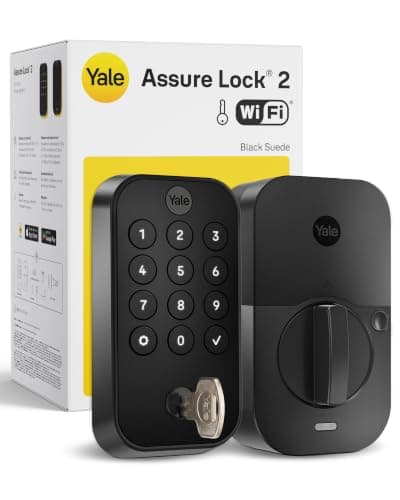
Best overall smart lock
Yale Assure Lock 2 (Wi-Fi, keyed)
The modular one. Yale sells the same lock body in keyed and key-free, touchscreen and keypad, with the radio as a swappable module — so you buy the connectivity you want instead of the connectivity that shipped.
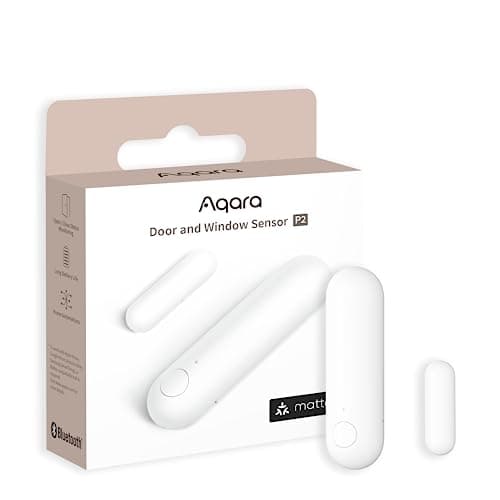
Best door and window sensor
Aqara Door and Window Sensor P2
Thread, and that is the whole point. It joins a Matter fabric directly, so it reports to Apple Home, Google Home, SmartThings or Home Assistant without Aqara's cloud anywhere in the path.
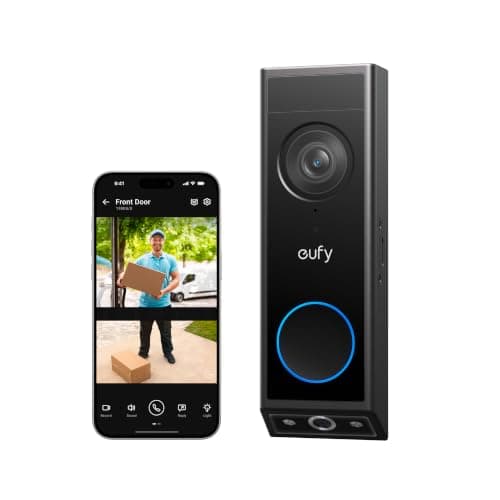
Best video doorbell
eufy Video Doorbell E340 (dual camera)
Two cameras — one on the visitor, one pointed down at the doorstep — so you see the parcel as well as the person. Records locally, wired or battery, no plan.
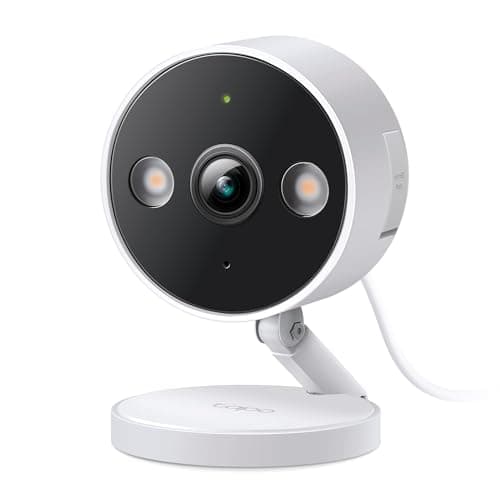
Best budget wired camera
TP-Link Tapo 2K+ Indoor/Outdoor Wired Camera
The cheapest camera here that does continuous recording. Plug it into a socket, put a card in it, and it records all day without ever asking for a card number.
#ad · As an Amazon Associate we earn from qualifying purchases.
Questions
Frequently asked
How do I stop my front door being kicked in?
Is a smart lock less secure than a normal deadbolt?
What do I do about the glass panel next to my front door?
Does a video doorbell deter anyone?
Should I add a chain or a bar as well?
Keep reading
Related
- How to secure a sliding glass doorThe patio door version of this page, and usually the easier target.
- How to secure windows from break-insSash and casement windows, sorted by mechanism.
- Best smart deadboltsOnce the frame is sorted, the lock worth buying.
- Are smart locks safe?What adding electronics to the door does and does not change.
Receipts
Sources
- Yale Home — Assure Lock 2 specifications, bolt throw and installation documentation
- Aqara — Door and Window Sensor P2 specifications and Thread requirements
- eufy — Video Doorbell E340 specifications, dual camera and local storage
- TP-Link Tapo — 2K+ wired camera specifications and continuous recording
We do not run a testing lab and we do not pretend to. Specifications come from the manufacturer's own published documents and from published standards; prices come from the live Amazon API. Where a figure is not published, the page says “not published” rather than guessing. Read the full method.