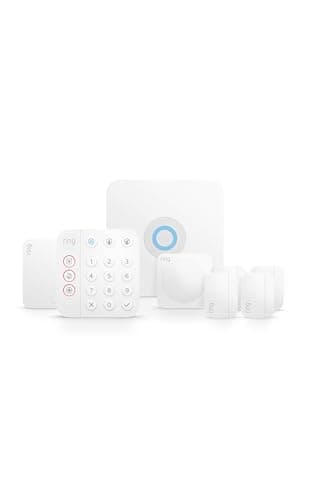
The best ADT alternative for most households is the Ring Alarm 8-Piece Kit, because it keeps the option of a professional response while dropping the contract. The budget route is the Aqara Hub M3 plus sensors. Before the picks, the distinction that makes this decision tractable.
What you are actually replacing
An ADT arrangement is three separate things bundled into one monthly line on your bank statement, and people shopping for an alternative usually only want to replace two of them:
- The equipment. A panel, a keypad, contact sensors, motion sensors, maybe cameras. All of it is now available to buy outright for a few hundred dollars, and the hardware gap between a professional kit and a DIY one has closed almost completely.
- The monitoring. A staffed center that receives the alarm and dispatches emergency services. This is the part DIY does not replicate for free, and the part worth being honest about. Self-monitored means the alert reaches your phone and stops there.
- The contract. A multi-year commitment, often with the equipment cost financed inside it. This is what most people are actually trying to escape, and it is the easiest of the three to replace: every option on this page is bought outright with nothing to cancel.
So the honest first question is not “which system is best”. It is do you want a professional response, or do you want the alerts? If the answer is a response, the Ring kit with its optional monitoring plan is the sensible landing spot. If the answer is alerts, the eufy kit removes the monthly bill entirely, and the Aqara route removes the vendor as well.
Self-monitored means exactly what it says. The eufy, Aqara and Reolink routes send an alert to your phone and sound a siren. Nobody else is watching, nobody calls the police, and if your phone is in a pocket on silent the alarm has still done its job and you have still missed it. That is a real limitation, not a technicality. The model, and how to make it work in practice, is set out in self-monitored home security explained.
The five alternatives compared
Compiled from Ring, eufy, Reolink and Aqara product and support documentation, November 2026. Prices appear only on the cards above, pulled live and dated November 24, 2026; no price appears in this table.| Option | Replaces the equipment | Professional response | Contract | Where data lives |
|---|
| Ring Alarm 8-Piece | Yes — base, keypad, 4 contacts, motion, range extender | Optional plan | None | Ring cloud |
|---|
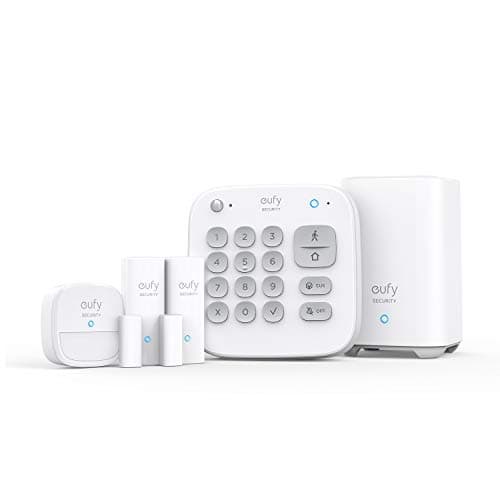
| eufy 5-Piece Alarm Kit | Yes — HomeBase, keypad, 2 contacts, motion | No — self-monitored only | None | Your HomeBase |
|---|
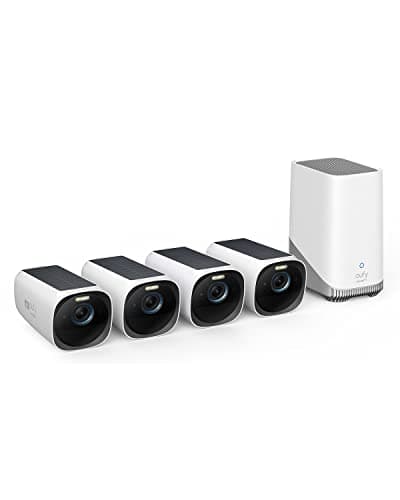
| eufyCam 3 (S330) kit | Cameras, not an alarm panel | No | None | Your HomeBase, expandable drive |
|---|
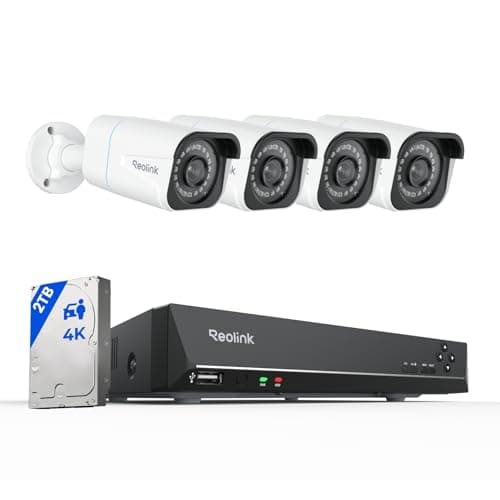
| Reolink 8CH PoE system | Cameras and a recorder, not an alarm panel | No | None | Your NVR, 2TB included |
|---|
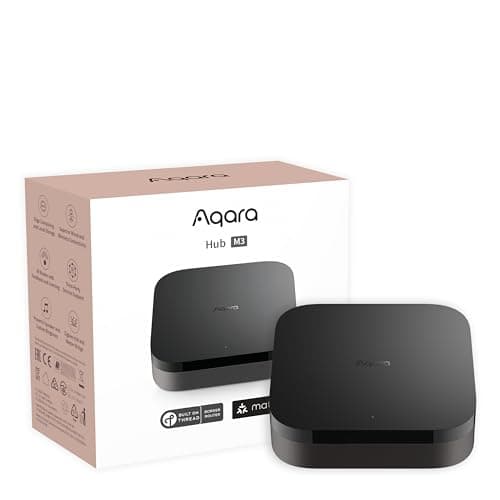
| Aqara Hub M3 + sensors | Build it yourself from parts | No | None | Local, on the hub |
|---|
Which alternative fits which household
You want a response, without a contract: the Ring Alarm 8-Piece. Eight pieces covers a real ground floor rather than a demo, and unlike Ring's cameras the alarm's core functions genuinely work unpaid. The trade is lock-in: the sensors pair to the Ring base and cannot be repurposed in Home Assistant or a Matter house later.
You want the monthly bill gone permanently: the eufy 5-Piece Kit. Arming, disarming, alerts and the siren work forever with no account tier, and it extends with eufy cameras and sensors onto the same base. The sensor count is a starter set; most houses add to it.
What you actually wanted was to see what happened: the eufyCam 3 kit for four solar cameras with local storage and no cabling, or the Reolink 8-channel PoE system if you can run cable and want continuous 24/7 recording with weeks of retention. The Reolink is the endgame of subscription-free: no plan at any tier, ever. Both are compared against the field in our camera system rankings, with a price-capped version in systems under $500.
You want to own the whole stack: the Aqara Hub M3 and a set of contact sensors. This is the budget route and the most capable one in the long run: the M3 is a Matter controller, a Thread border router and a Zigbee coordinator in one box, automations execute locally so the house keeps working with the internet down, and no vendor sits in the path. It is also the one that expects you to do the thinking. Start from no-fee door and window sensors and our hub guide.
What ADT genuinely does better
Two things, and they are worth naming because a page that pretends otherwise is not useful. The first is professional dispatch: a staffed center that acts when you cannot, including when you are asleep, abroad or hurt. No self-monitored kit does that. The second is installation and support: somebody else mounts the sensors, configures the panel and comes out when it misbehaves. Every option on this page is a project, even the packaged kits.
What ADT does worse is the cost over time and the loss of control. A monitoring contract continues at the same price whether the system is working hard or sitting idle, the equipment is often financed rather than owned, and the data lives entirely in somebody else's system. The arithmetic over a five-year horizon is the whole subject of our subscription cost comparison.
How to leave a monitored system without leaving a gap
Do not cancel first. Install and test the replacement while the old system is still live. A week of overlap costs one month of a plan you were cancelling anyway and removes the one genuinely risky part of the switch.
Check who owns the hardware on your walls. With traditional monitored systems, the panel and sensors are frequently the provider's property or are locked to their service, so assume nothing on the wall is reusable until you have confirmed it. Plan to replace sensors rather than to adopt them.
Count openings, not rooms. A real perimeter is six to twelve contact sensors on a typical ground floor, plus one or two motion sensors for interior coverage. Packaged kits ship four to six pieces, so budget for the expansion pack from the start rather than discovering it later.
Decide the response plan before you need it. Self-monitoring only works if the alert reaches a human who will act. In practice that means: alerts on more than one phone, a siren loud enough that neighbours notice, and someone local who has a key. Write it down — it is the part of DIY security that people skip and then regret.
Keep the layers in the right order. Sensors first (cheapest, fewest false alarms, tells you a door actually opened), then a camera where you need to know what happened, then a smart lock. That ordering, and why it is not the order people shop in, is in smart home security basics.
How we picked
Products we claim to have tested: 0
Everyone in this category says they tested a dozen locks on their own front door. We have not tested any, and we say so. Here is what we do instead: read the manufacturer's manual and spec sheet, record the published protocol, power and storage figures, check the published standard where one exists, compute what the device costs to keep running, and cite all of it so you can check the work. Prices come live from Amazon's API and disappear rather than go stale.
The scores above are judgments from that documented research — not bench measurements. The full rubric, including what disqualifies a product, is published in full.